


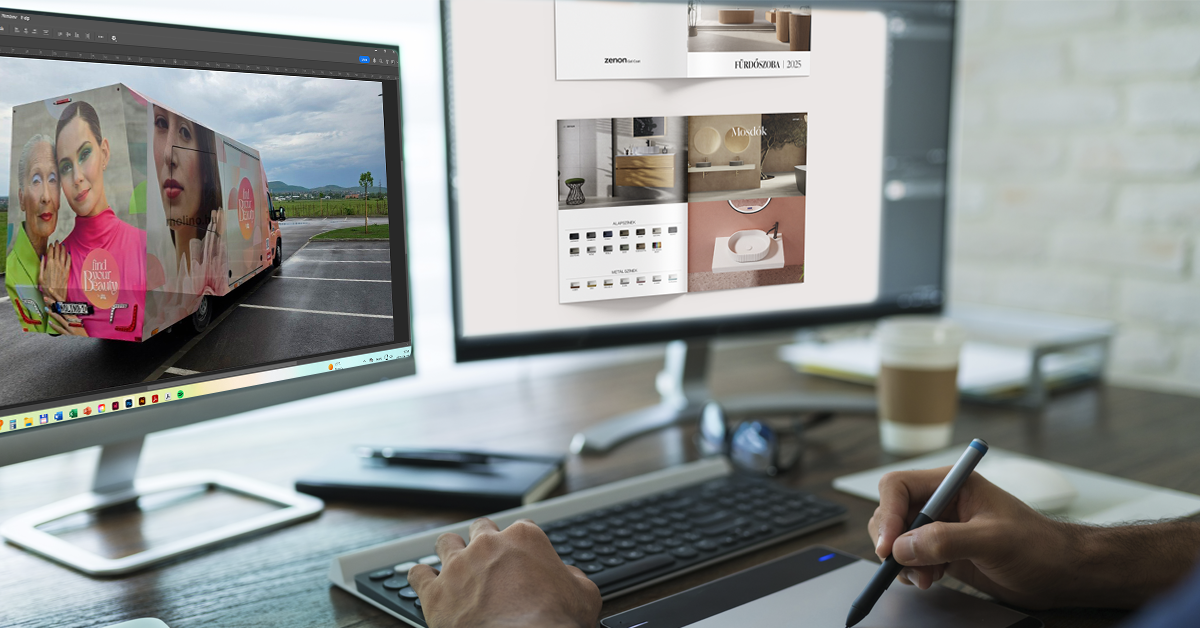
In our experience, even the largest companies are often uncertain about how to approach the visual design of a campaign. Defining the creative direction, translating the message into a visual form, and coordinating the print execution all require thorough preparation.
What should you pay attention to during the graphic design process?
- The target audience
The starting point of the design process is always defining the audience. Who is the message aimed at? What age group, interests, or purchasing habits are we talking about? A poster aimed at teenagers requires a completely different mood and style than a brochure promoting a premium business service.
- The brand identity
Graphic materials must reflect the company's unique brand identity. The typefaces, colours, logo usage, and visual elements all reinforce – or, if inconsistent, undermine – that identity. For this reason, the brand guidelines must always be taken into account during the design process, or, if none exist, the visual communication guidelines must be established consistently.
- Size and intended use
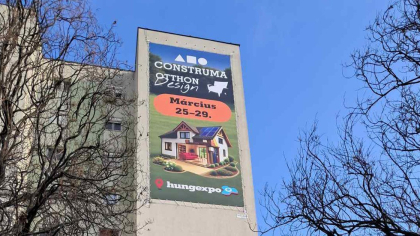
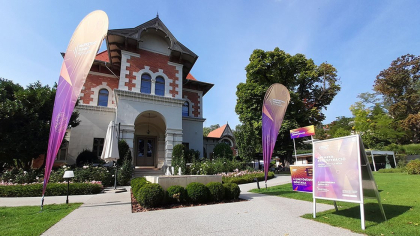
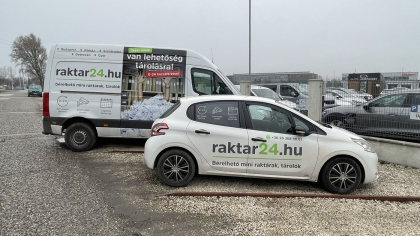
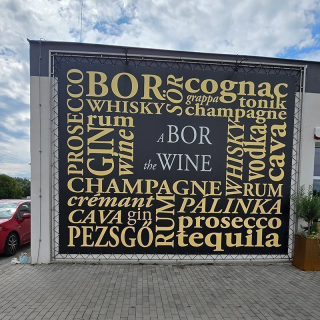
Where and at what size a given graphic appears matters greatly. A banner, a vehicle wrap, or a small sticker each require a different approach. The composition must adapt to the available surface, the viewing distance, and how long the target audience will have to look at the material.
- The use of colour
Colours do not merely serve an aesthetic purpose – they also carry significant psychological impact. The right use of colour can evoke emotions, direct attention, or even influence purchasing decisions. It is important that the chosen colour palette aligns with the brand's style and the nature of the message – whether it concerns a promotion, a new product, or a brand-building campaign.
- Illustrations
Images and illustrations are key players in visual communication. Always use high-quality, high-resolution images that are visually appealing and thematically suited to the campaign.
- Focused copy
A graphic material is not a novel – the text should be short, concise, and easy to read. What you need: an attention-grabbing headline, a to-the-point description, and well-structured typography. This is especially important for materials displayed outdoors or in high-traffic locations, where viewers decide within just a few seconds whether to read on or not.
- Printing technology
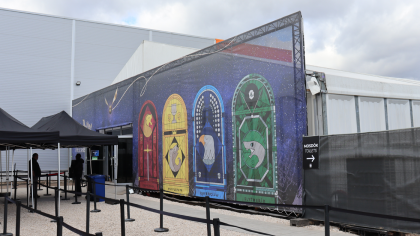
Digital design is only the first step – the final appearance of the material depends on the printing process. Different advertising tools require different technologies: for example, wide-format printing for banners, or UV printing for outdoor signs. Graphic files must be prepared accordingly – resolution, colour space (e.g. CMYK), and the setting of crop marks are all critical factors.
Over the past more than two decades, our graphics department has designed and produced several thousand unique visual materials. Our experience means we know exactly what challenges both start-up businesses and large corporations face when planning a promotional campaign. We do not merely provide a graphic design service – we are your partners in turning ideas into targeted, effective, and visually striking solutions. You can trust us: our expertise, creative team, and experience guarantee that every piece of material leaves our hands in the most professional form possible.