






In this renewed environment, the strategic importance of POP (Point of Purchase) and POS (Point of Sale) advertising tools has grown significantly.
Bank communication is increasingly visual and experience-based. In the physical spaces of branches, properly placed POP and POS tools play a key role in guiding customers to digital channels, providing customer information, and encouraging interaction. A simple logo-branded poster is no longer enough — tools are needed that give direction, inform, and motivate.
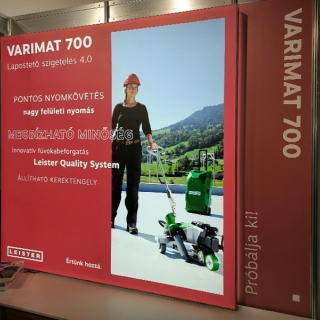
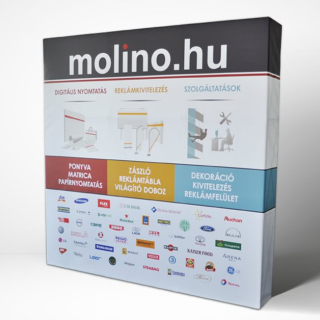
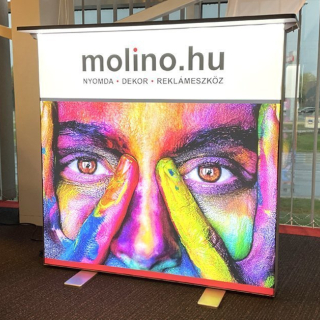
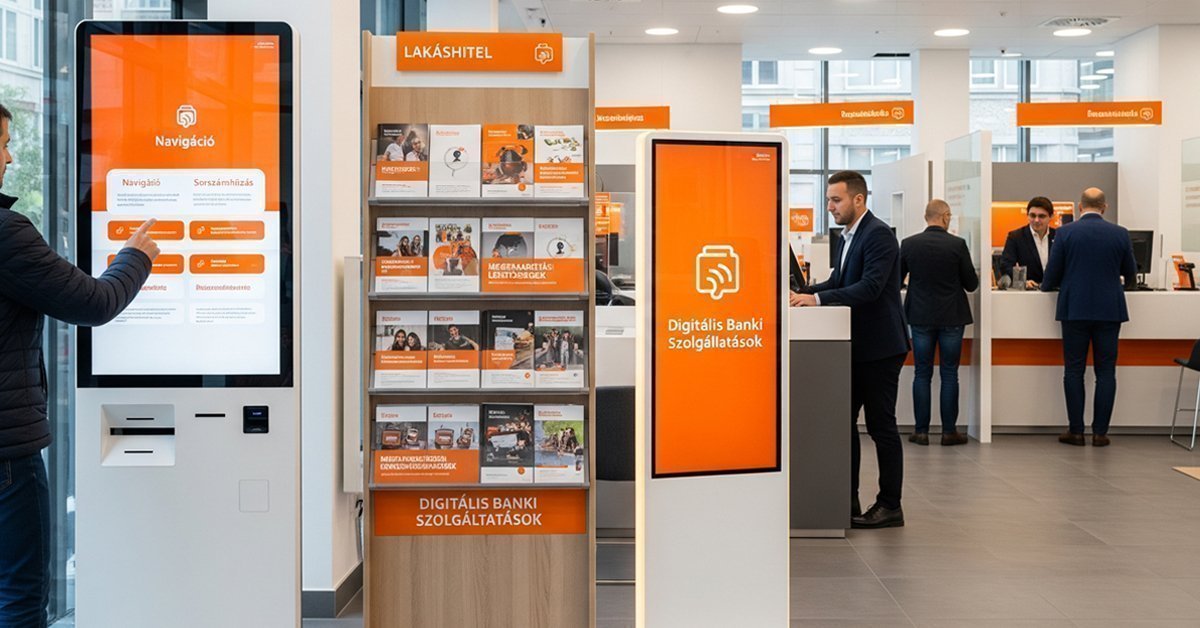
Displays, totem stands, digital screens, and interactive promotional tools placed in bank branches help present complex financial products while also supporting the use of digital services.
In the modern bank branch, these tools are the central pillars of communication. Their role is to visually guide the customer, capture attention, and prompt immediate action — such as scanning a QR code or opening an app.
| Tool | Brief Description | Banking Application |
|---|---|---|
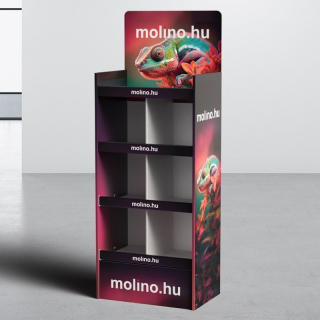
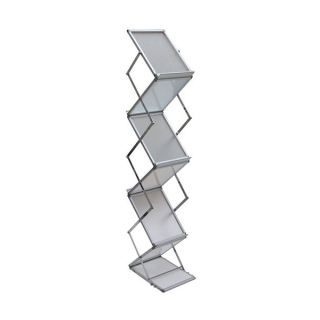
| Paper display | Custom, QR-code-enabled information carrier | Product presentation, directing customers to app |
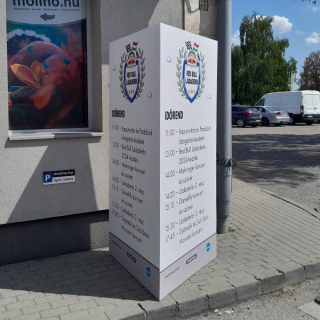
| Totem stand | Eye-catching vertical element with a small footprint | ESG messages, advertising digital services |
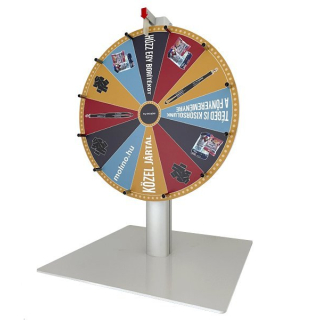
| Prize wheel | Interactive, attention-grabbing game tool | Promotions, customer activation |
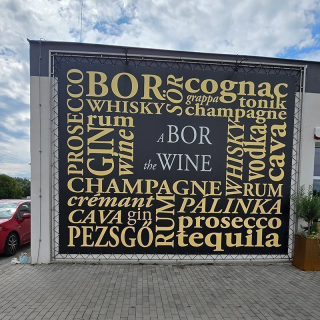
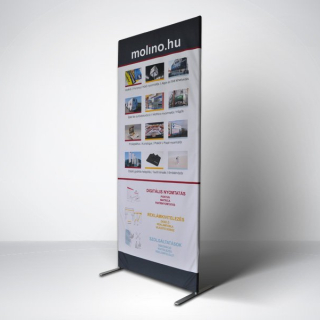
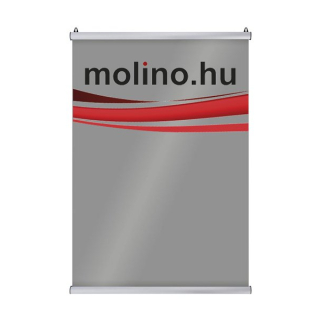
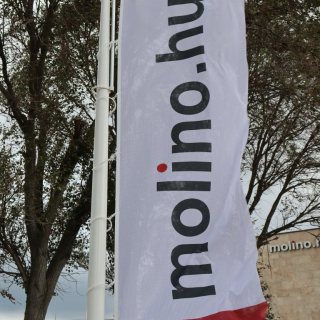
| Banner, poster | Campaign visual or branding element | Branch exterior, entrance, campaign messages |
| Window/floor sticker | Navigation and attention-guiding tool | Directing customer journey, marking digital features |
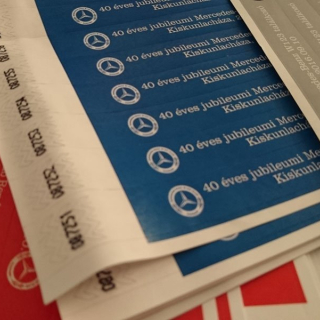
| Plastic card | Item produced with custom graphic design | Entry passes, gift vouchers, loyalty cards |
POP and POS surfaces provide an opportunity for the branch environment to visually reflect the bank's current objectives.
More and more banks are equipping these tools with digital functionality — QR codes, NFC, video content — making these elements active participants in guiding the customer journey.
Digital transformation has undoubtedly opened new horizons. An increasing number of banks are integrating artificial intelligence (AI) into customer service — for example, Erste's "George" and K&H's "Kate" digital assistants already provide real-time advice to customers. AI-based solutions optimise back-end processes and allow branch staff to place greater emphasis on personal advisory services.
However, this digital advancement does not mean that printed tools are being pushed into the background — quite the contrary! Physical advertising tools help customers navigate the digital space. The QR-code-enabled POS display, the floor sticker, or the educational totem are the visual "gateways" that direct visitors towards digital services. The "phygital" approach — adopted by MBH Bank, among others — is built on the idea that the branch and online platforms operate in close connection, and effective on-site visual communication is indispensable to achieving this.
Printed tools are therefore not the opposite of digitalisation, but its most immediate physical enablers — especially when they appear in a personalised, informative, and interactive form.
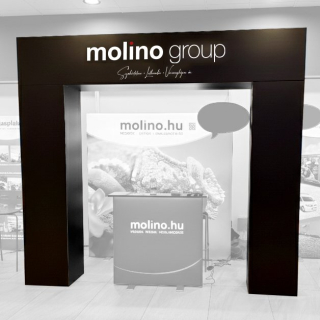
The goal of Molino.hu is to ensure that its partners receive not just printed materials, but marketing tools that actively support branch objectives. Based on our experience, banking marketing works best when POP and POS tools are reimagined with a strategic mindset, aligned with the customer journey.