










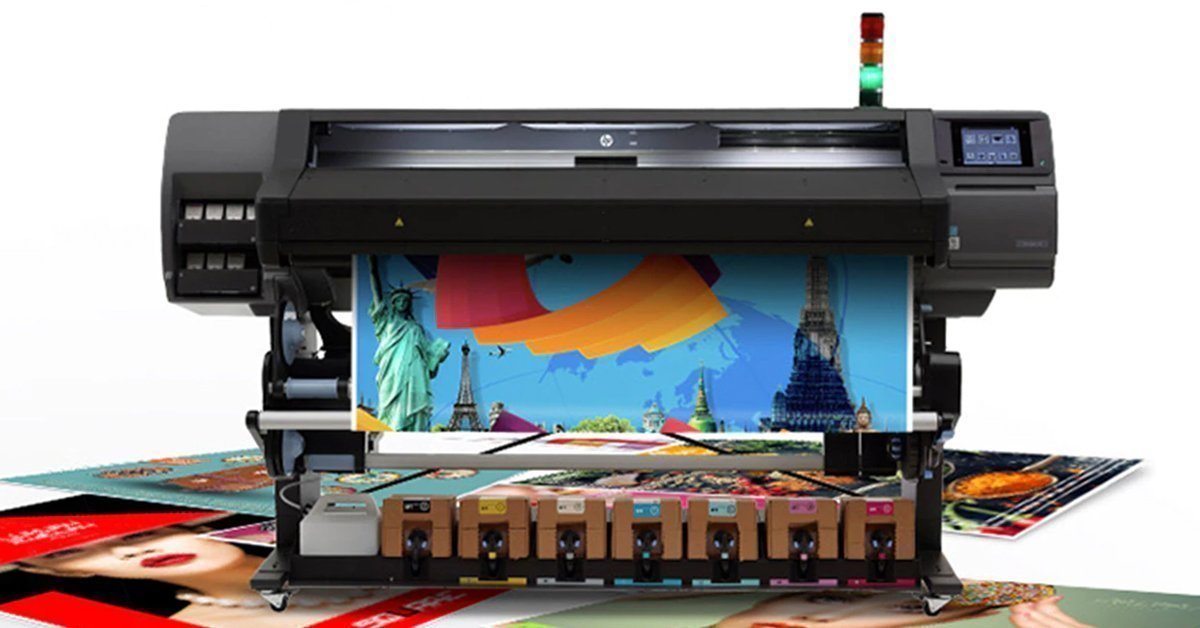
The manufacturer has spent a decade refining its water-based latex inks to meet the market's ever-higher expectations. Extensive, long-term research and development has resulted in fast, flawless output as well as an eco-friendly solution. Ink specialist Thom Brown discussed the science behind the outstanding performance, clarifying what HP Latex is, how it works, and what its advantages are.
The expert emphasised that 70 percent of HP Latex inks is water, making it a significantly lower-risk product than most competitors. The ink formula, which contains humectants, operates on a principle very similar to HP's home and office devices – highly reliable: the printhead acts as a kind of carrier, transferring latex polymer and pigment particles onto the surface beneath it, and does so odourlessly. Heat radiation and blown airflow evaporate the liquid, causing the latex to cure – leaving a durable, immediately ready-to-use print that can even be laminated.
Brown stated that HP is committed to saving the planet; that is precisely why they began working on advancing the water-based ink technologies that are reforming the industry. Also noteworthy is the company's recently launched laptop made from recycled plastics, for which a $2 million ocean-waste collection facility installed near Haiti supplies the raw materials. The sustainability of HP Latex has been validated against the strict safety, health and environmental criteria of the ECOLOGO® Certification Program (which confirmed it is even suitable for the manufacture of children's toys), and it has also been subjected to the GREENGUARD GOLD test, which certified that its production involves minimal emissions.
All things considered: HP Latex has become the ideal, risk-free alternative to UV, UV gel, solvent and Eco-Solvent inks.
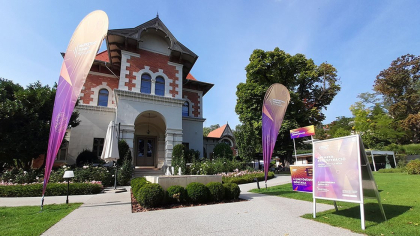
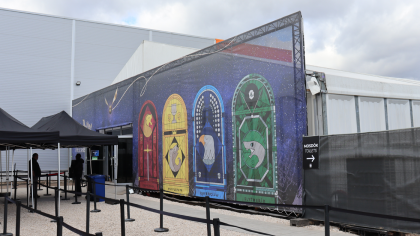
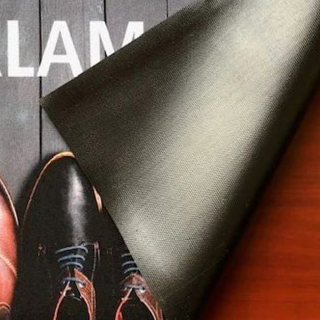
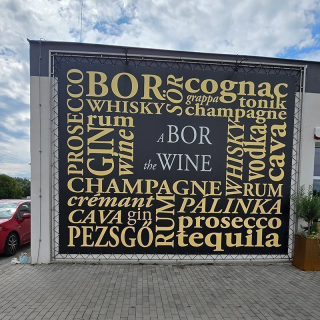
Its range of applications extends to an almost endless variety of signage types: it has proven perfect for retail displays, outdoor signs, window and vehicle wraps, event and exhibition graphics, soft signage, stickers, labels, backdrops and apparel. Décor manufacturers can also use it with a wide range of substrates, from fade-resistant glass coverings to canvases, wall coverings, PVC flooring, textiles and synthetic leather.
János Gábor - Sign&Display
Source:SignUpDate
Photo: HP
This article was published on the website of Sign&Display advertising decoration magazine. www.signanddisplay.hu