




These advantages make them popular in retail and marketing campaigns alike. Thorough preparation is key to successful execution. Answering the following questions can help make the process fast, efficient and cost-effective, and ensures that the end result is a high-quality and profitable investment.
What type of display is needed?
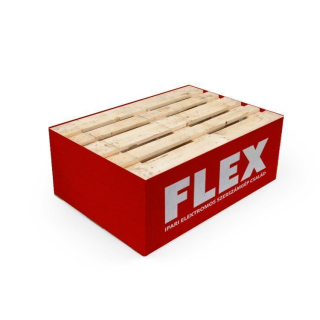
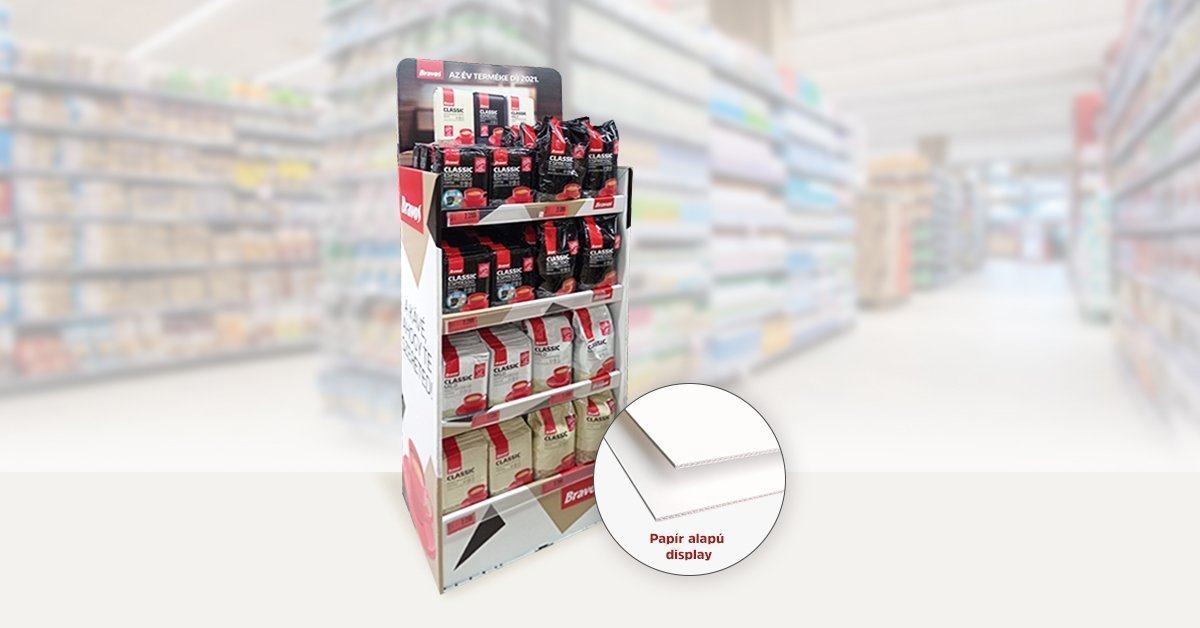
You can choose from counter-top, floor-standing, wall-mounted, counter, storage, or even multi-shelf displays. It is important to know where the display will be placed: whether it will be part of a store fixture, placed on an exhibition stand, or serve promotional purposes in a retail store.
What is the design deadline?
A clear deadline must be set before the design process begins, as producing a custom display is a complex and precise task.
If a fast turnaround is required, it may be worth choosing from available templates, while with a longer lead time, completely custom sizes and styles are also achievable.
What should the dimensions of the product be?
Knowledge of the dimensions and weight of the products is essential for structural design. The design of custom displays is influenced by what products they will hold. For example, in the case of a multi-shelf version, the designer must know the exact dimensions of the products so that the shelves have the appropriate width and depth. In addition, the vertical space between shelves and the weight of the products are also key factors.
One of the key questions in display design is how many products you intend to place on it. This affects the size, stability and material usage of the display. Product storage displays must be stable and provide adequate space for the products while maintaining an attractive appearance.
What should the graphics look like?
During the design process, it is important to have a clear idea of the aesthetic you want to achieve. What lifestyle does the display aim to convey, and what visual elements can help achieve this? What colours and elements can help represent the brand? It can be useful to share reference images and brand identity elements with the design team, which can serve as guidance in achieving the aesthetic goals.
Are there any height restrictions or size requirements?
Retailers generally have strict requirements regarding the size and height of displays. It is therefore important to be aware of these restrictions from the very beginning of the design process.
Before starting the design, it is worth gathering data on the weight and dimensions of the products. All measurements must be provided, including the width, depth and height of the product. If the product can be hung, it is important to specify the length of the hanging and the type of hole on the packaging.
How many sides should it have?
The number of sides depends on the location of the display in the store and the quantity of products. For a display placed against a wall, single-sided or three-sided solutions are the most appropriate. For free-standing displays in open areas, two-sided or four-sided versions may also be considered.
How many units are needed?
The optimal production quantity is a minimum of 400 units, as this quantity best distributes the design and manufacturing costs.
Once all the necessary information has been gathered, our specialists begin designing the display using the most advanced software. The process generally takes a few weeks. Our goal is to create a display that is easy to assemble and perfectly suited for the safe and visually appealing presentation of products. The construction is, of course, thoroughly tested as well.
After the design phase is complete, we prepare the quotation, which details the costs of raw materials and production processes. When preparing the quote, it is important to consider whether the client requires extra protection, such as a splash-proof tray or film to protect the display from damage. The quotation also includes packaging and shipping costs. Products can be ordered flat-packed, assembled, or even pre-loaded with products; in the latter case, transport boxes are also provided to protect the finished displays.
Prior to production, a sample unit is made, which must be approved by the client. This sample already incorporates the final graphic elements and looks exactly like the finished product. The client may request minor modifications, and once approval is given, full-quantity production can begin.
In designing and manufacturing our paper-based displays, we strive to provide our clients with the highest quality, durable and aesthetically pleasing solutions. If you would also like to order a custom display, feel free to contact us and our expert team will help bring your ideas to life.